Cart
Your cart is empty
 Fast & Free Shipping
 24/7 Customer Support
 5-Year Limited Warranty
 30-Day Exchange & Returns
Efficiently control humidity, aiding construction and water damage restoration
Learn MoreRegulate moisture, prevent mold, maintain structural integrity in tight spaces
Learn MorePortable, powerful, eliminates toxic wood dust for a dust-free workshop
Learn MoreEnsure proper airflow circulation to prevent moisture buildup
Learn More
Professional moisture control and waterproofing for basements and crawl spaces.

Complete fire damage repair and smoke odor elimination services.

Emergency water removal and restoration services following flooding disasters.

Rapid drying solutions for construction sites to maintain project timelines.


Select Abestorm for worry-free experience with free shipping within the USA and expert guidance.
Compact and portable, our dehumidifiers are designed for easy storage and transport.
Every product features a protective exterior to prevent impact damage and natural wear.
Many of our dehumidifiers are Energy Star and ETL certified, ensuring products that exceed customers' expectations.
Our dehumidifiers are certified for efficiency, safety, and reliability, offering you peace of mind with top performance and energy savings.


There is often a musty odor drifting up from the basement or crawl space, an early warning of moisture in your home. One might also detect dampness indoors, higher humidity, or floors that are uncharacteristically cold. Such issues tend to originate below the living quarters, where soil moisture seeps into the house.But a vapor barrier in the crawl space is more than a quick way to put out a moisture fire. It is an investment that yields long-term dividends in comfort, energy efficiency, and property value. Take the Abestorm series, for example: a good-quality barrier puts a protective layer between the home and ground moisture. The initial outlay is there, but it is justified by the protection it affords and the costly repairs it can stave off.A quality vapor barrier can be a foundational investment that supports your home’s condition over time. The benefits of a vapor barrier extend beyond moisture prevention to include protecting the structure, improving comfort, and supporting better moisture control in the crawl space. What Is a Vapor Barrier and How Does It Work? In short, it is a tough plastic sheet laid over the soil to prevent moisture vapor from entering the home. Typically constructed from high-density polyethylene (HDPE), these barriers are made to resist tearing and penetration.As a vapor retarder, its job is to keep water vapor from the ground out of the crawl space air, thereby curbing humidity. This is important because unchecked ground moisture is a common source of damage, inviting everything from mold and rot to pests and bad smells.Quality is not to be overlooked. Thicker materials stand up better to the rigors of installation and upkeep. Abestorm has 10 mil, 12 mil, and 14 mil options in a black-and-white double-sided design for added flexibility.When done right, the barrier is not merely a plastic covering; it is integral to the home’s moisture management. Homeowners seeking reliable crawl space protection can find suitable options in Abestorm’s crawl space vapor barrier products. How Does a Vapor Barrier Create Value for Your Home? The case for a vapor barrier rests on mitigating risks to the home’s structure and reducing operating costs. Homeowners will find that controlling problems before they get expensive is the real benefit. Understanding the crawl space vapor barrier value means looking beyond the initial installation cost and considering the protection it provides over time. 1. Improves Energy Efficiency, Reducing Daily Costs Moist air is harder to heat and cool than dry air, putting more strain on the HVAC system. If humidity is high in the crawl space, the floor will feel colder, and the system has to work overtime to maintain the temperature. The U.S. Department of Energy sees moisture control as key to a sound building envelope—the walls, floors, and insulation that keep the outdoors at bay. A vapor barrier is the first line of defense in that regard. For those wanting to improve home efficiency, a durable barrier from Abestorm is a sensible move that shouldn't need replacing any time soon. Effective crawl space moisture control can support a more stable indoor environment by reducing one of the factors that affect comfort and energy performance. 2. Protects Structural Integrity, Avoiding Costly Repairs High humidity left to itself will eventually be absorbed by the wood in the joists and beams, making them prone to rot. Then you face the prospect of a very pricey foundation or wood replacement, or even termites drawn to such conditions.A vapor barrier prevents the soil from saturating the crawl space. Given how hard these areas can be to get to, the durability of a thicker Abestorm product is welcome.In the end, the value of the barrier is evident when measured against the remediation bill. The crawl space vapor barrier helps prevent moisture problems before they develop into expensive repairs. 3. Improves Indoor Air Quality, Safeguarding Your Family's Health Indoor air quality improves when conditions that promote mildew and mold are removed. Many do not appreciate how the air in the living room can be influenced by what is happening in the crawl space.Through the stack effect, warm air rising in the house can draw in air from below. If that air is laden with spores and mustiness from excess moisture, it will make its way into occupied rooms.A vapor barrier limits ground moisture, so such contaminants are less of a concern. One must be clear that a vapor barrier is not a panacea for every moisture woe, nor will it eradicate mold that is already present.Leaks in plumbing or drainage are separate matters that require their own attention. A barrier of any quality is only as good as the overall moisture management strategy behind it.With Abestorm products, homeowners can install a resilient layer to resist moisture and foster healthier conditions in the crawl space. But there is more to it than just a cleaner environment; there is the question of property value. 4. Increases Property Value & Market Appeal A home with a dry, well-kept crawl space has an undeniable appeal. Most buyers will not be looking at the vapor barrier on a showing, yet they appreciate knowing the foundation is protected from future maintenance headaches.So, does a vapor barrier add value? A vapor barrier can contribute to buyer confidence by showing that the owner has taken steps to protect the property from moisture-related issues.When an inspector comes through, a damp space or signs of mold and wood damage can raise questions about repair costs. A professionally put-in-place barrier is proof that the owner has been diligent.In this way, the barrier adds to the home’s desirability. Such projects have a different kind of worth than a cosmetic upgrade; they are about preserving the systems that make a home functional and safeguarding the foundational environment. 5. Prepares Your Home for Future Upgrades (Like Full Encapsulation) For those with long-term plans, a vapor barrier is a sensible first move. Some may start with a basic barrier and eventually opt for a full encapsulation system, which involves sealing off walls, vents, and openings, and perhaps adding a dehumidifier for a fully controlled space.By investing in a durable barrier from the start, one avoids the cost of ripping out a substandard temporary fix down the line. A quality vapor barrier provides a strong starting point for homeowners who may consider more advanced crawl space improvements in the future. Costs and Return on Investment (ROI) The price tag for installation will vary according to labor, the size of the area, and its accessibility. One might spend less on a small, easy-to-reach space.Opting for a 10 mil, 12 mil, or 14 mil barrier will result in a higher cost but offer greater durability. The return is found in averting the high cost of remediation, structural repairs, or pest damage.While energy savings depend on climate and insulation, controlling moisture is key to an efficient home. An Abestorm barrier is built to last, sparing the homeowner from early replacement. FAQs Will a vapor barrier solve all my moisture problems? No. A vapor barrier is meant to stop what comes up from the soil. If the source is a wall leak, standing water, or poor drainage, those issues must be identified and fixed before the barrier goes in.A vapor barrier is an effective part of crawl space moisture control, but it does not replace repairs for other sources of moisture intrusion. What thickness of vapor barrier should I choose? You will see 6 mil used as a minimum in some cases, but for true longevity and puncture resistance, 10 mil or more is preferred.Thicker materials provide better durability and long-term protection. Abestorm has 10 mil, 12 mil, and 14 mil options to suit the budget and the need. Do I need special tools to install a vapor barrier? Nothing out of the ordinary is required. A utility knife, tape measure, marker, and the right kind of sealing tape will do. The work is in the details: making sure seams overlap and edges are tight around obstacles. A poor installation will not be effective. Can I put a new one on top of the old? We would not advise it. It is better to remove the old material so you can check for any hidden damage or mold and start with a clean surface. Installing over an old barrier can trap problems underneath and prevent proper inspection of the crawl space condition. How does it differ from encapsulation? Think of a vapor barrier as dealing with the floor. Encapsulation is a more thorough affair that seals the entire environment. Both have their place, but a good barrier is often the starting point for any improvement project. Conclusion: Protect Your Home With Abestorm, Starting Today There are long-term benefits to a well-chosen vapor barrier beyond simply preventing moisture. It is a practical way to support energy efficiency and protect the home's structure.The vapor barrier benefits include improved moisture management, better protection against damage, and stronger long-term home value.For those ready to take control of their crawl space, Abestorm offers solutions for lasting protection. Install a strong barrier now, and it will help preserve your home’s value for years to come.

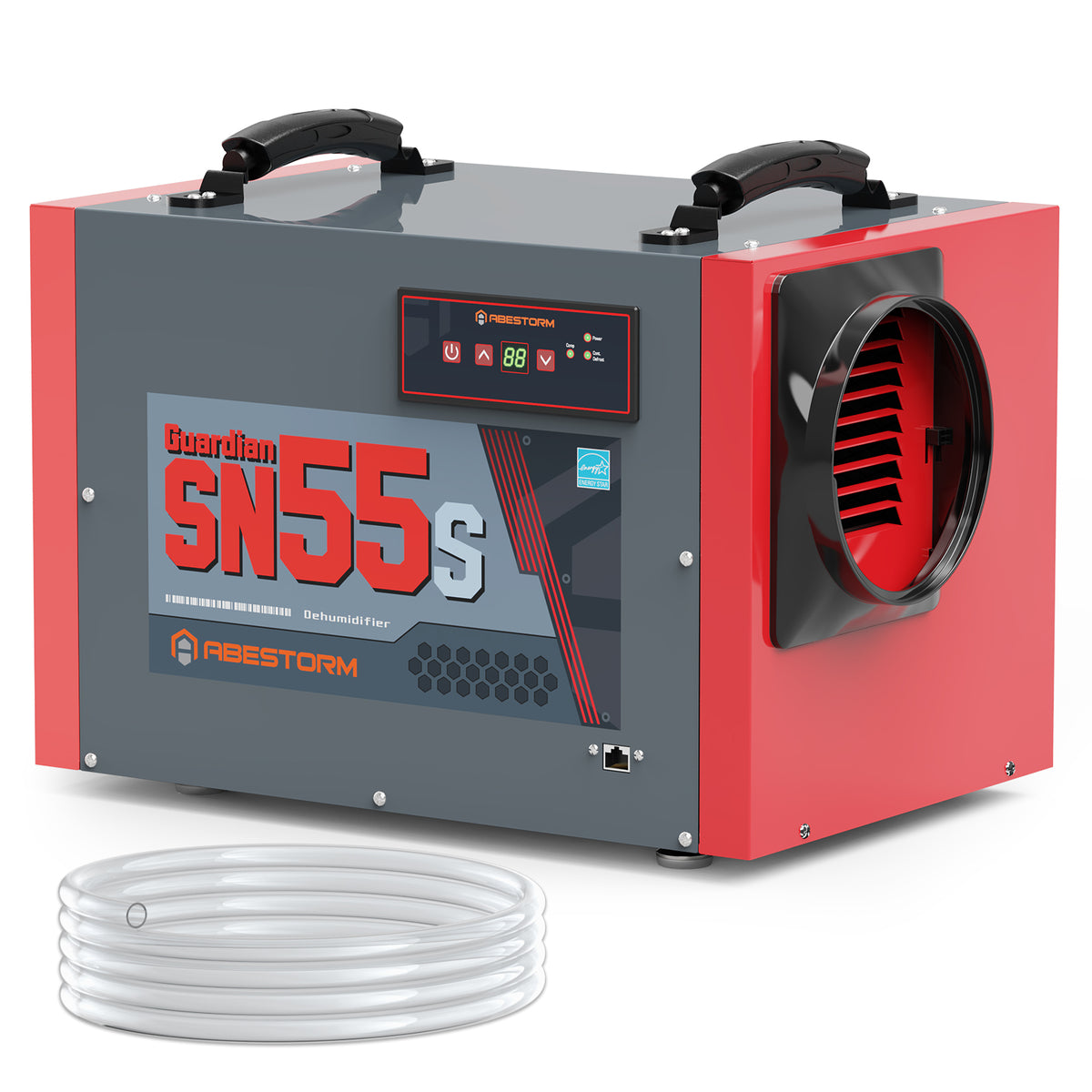
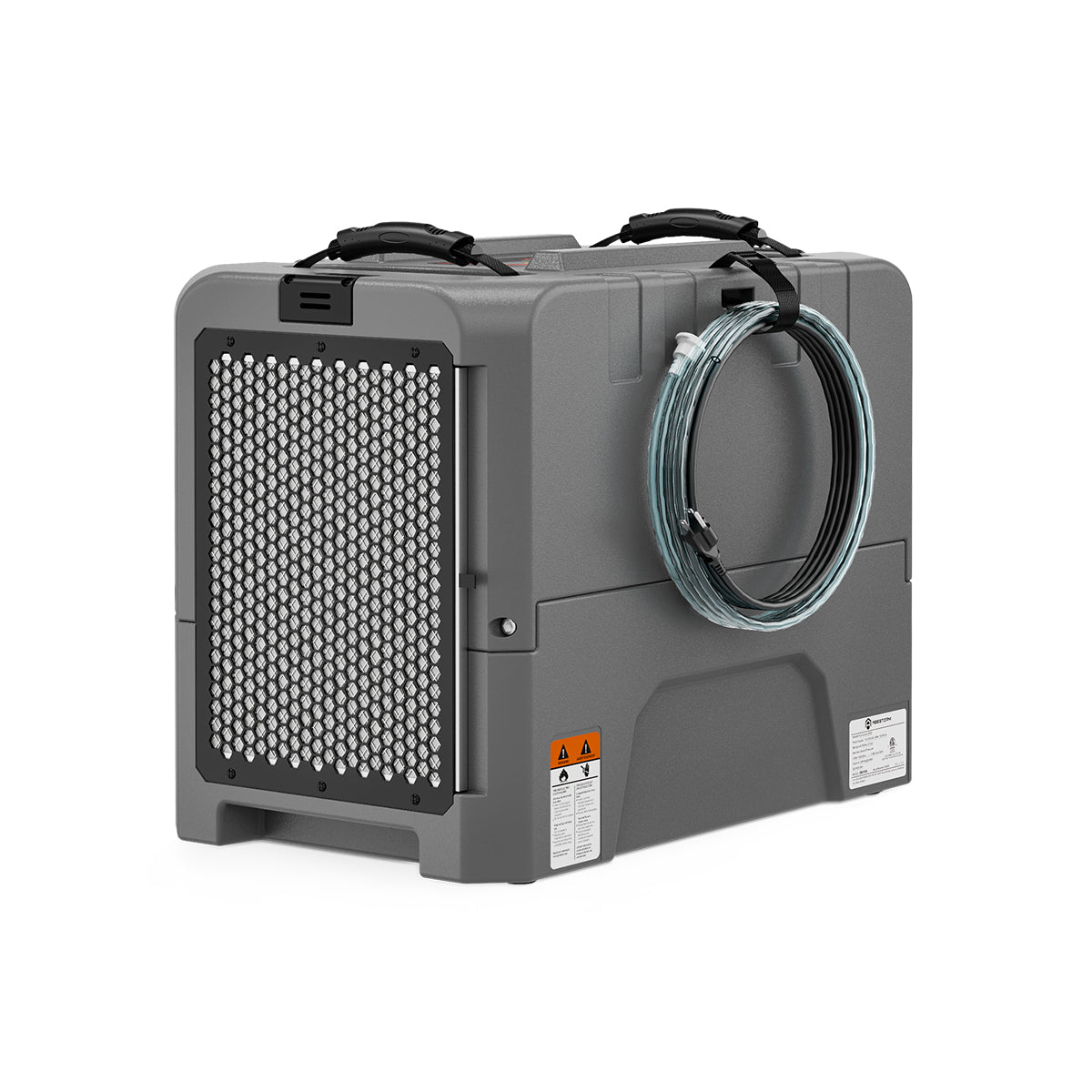
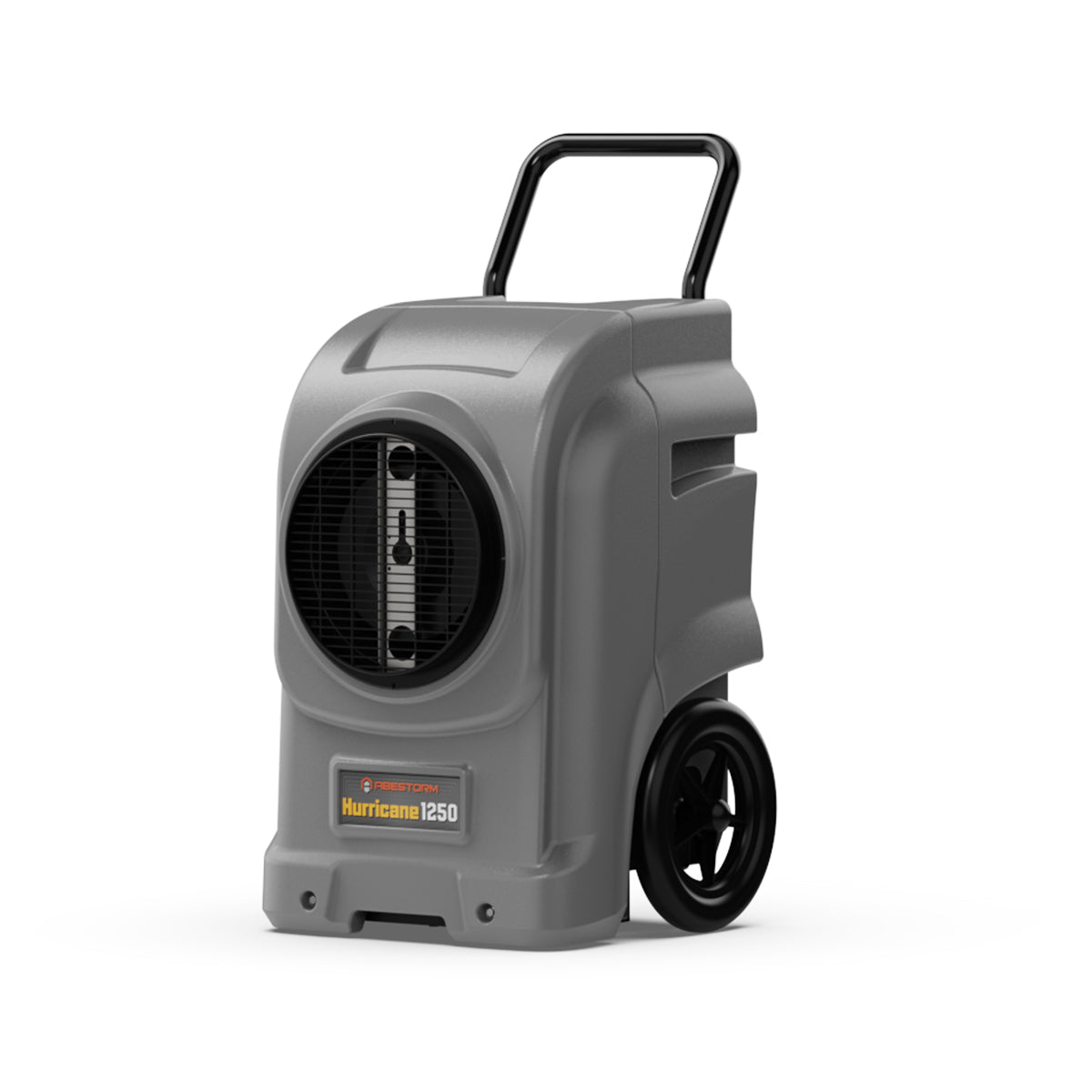
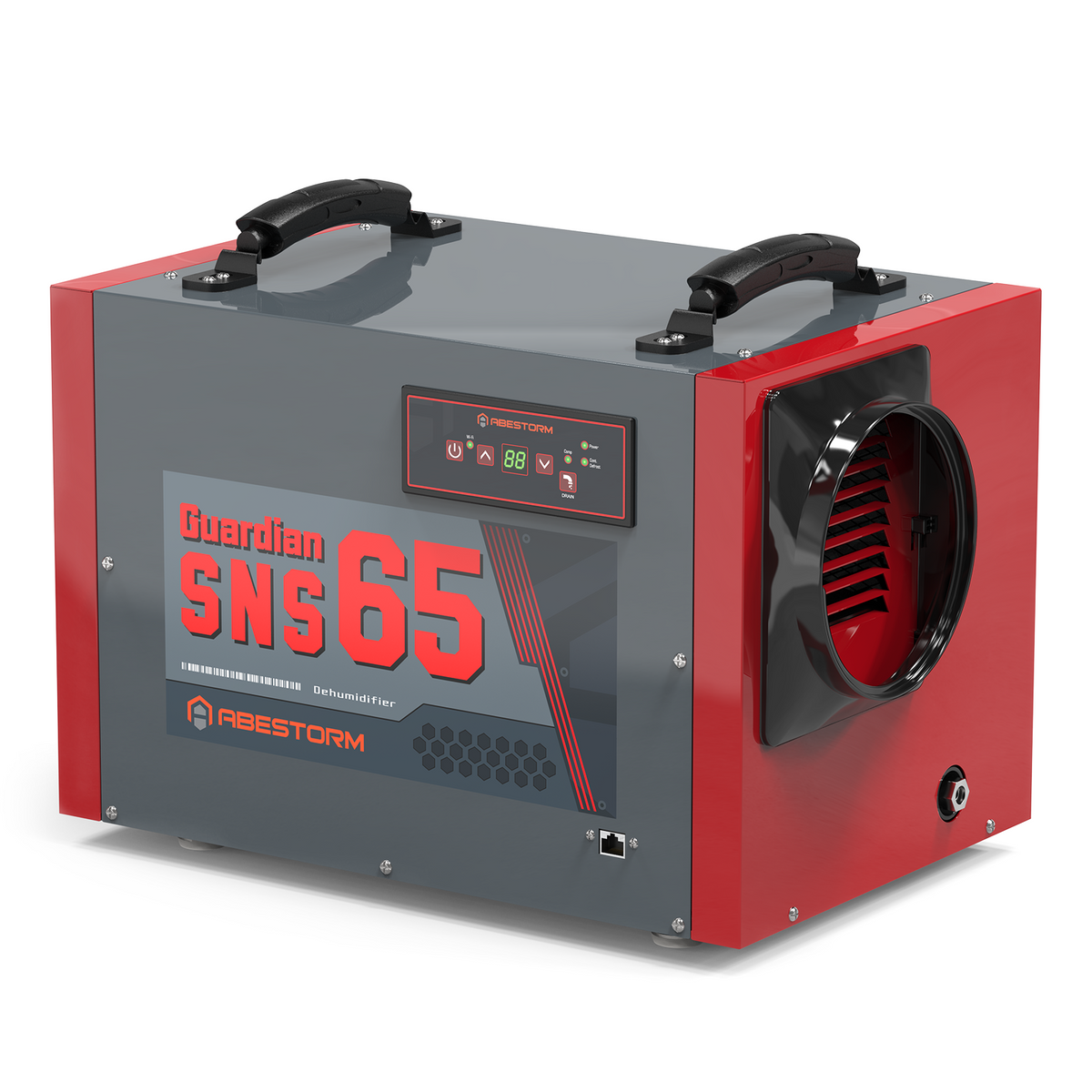
You have a dehumidifier in the basement, yet it still feels damp. Or perhaps the unit is running non-stop, driving up your electricity costs with little to show for it in terms of lower humidity. Do not assume the machine itself is of poor quality; more often than not, the trouble lies in having selected the wrong capacity. An undersized dehumidifier will work hard but fail to remove enough moisture from the air, creating an uncomfortable environment and a unit that never seems to shut off. Go too large, and you risk short-cycling, where the compressor cycles on and off in quick succession without any real efficiency. Getting the right size is not as simple as looking at a room’s square footage and picking a pint rating. One must also consider the space, the temperature, the drainage setup, and how often it is called upon to run. This dehumidifier sizing guide will walk you through what dehumidifier capacity really means, the impact of the 2020 Department of Energy (DOE) testing standard on pint ratings, and how to read a dehumidifier capacity chart to make the right choice. We will also touch on drainage, energy use, and Abestorm models suitable for everything from residential to commercial use. Step 1- Understanding “Pints” — What Does Dehumidifier Capacity Actually Mean? In technical terms, capacity is the volume of water a dehumidifier can extract from the air in a day, measured in pints. A 50-pint model receives this rating because, under controlled conditions, it can remove that amount of moisture. In practice, however, the figure is a performance rating, not a measure of room size. Your home’s insulation, airflow, and ambient temperature will all affect the actual results. When deciding how to choose a dehumidifier, understanding pint capacity is essential because the right rating depends on the environment where the unit will operate, not only the size of the room. The 2020 DOE Standard If you are in the market for a new dehumidifier, be aware of the shift in the DOE testing protocol. Prior to 2020, units were generally tested at 80°F and 60% relative humidity (RH). The current standard has lowered the test temperature to 65°F while keeping the RH at 60%. This is a more accurate reflection of many basements and crawl spaces. Since cold air holds less moisture, the numbers on labels have decreased; a 50-pint unit by today’s standards may perform as well as an old 70-pint model did. Use the current DOE rating when comparing models. Is Bigger Better? We tend to recommend erring on the side of a larger unit. An undersized one will wear out faster and consume power in a futile attempt to reach the target humidity. A well-sized, slightly larger unit gets the job done in fewer cycles. But there is a point of diminishing returns with excessive oversizing, so the aim is to match capacity to the space's conditions, not to purchase the largest unit available. Step 2- Sizing Chart — How Much Capacity Does Your Space Need? To answer the question of what size dehumidifier do I need, you have to look at both the area and the moisture in it. First, do the math on the square footage. Multiply length by width. For a 25-by-20-foot room, that is 500 square feet. With an odd-shaped room, break it down into rectangles and add them up. But keep in mind that 1,000 square feet of finished living space is not the same as 1,000 square feet of a wet basement. Then you have to gauge the moisture. Is there a musty smell only when the weather is humid, or are you seeing condensation on the walls? Moisture Level / Typical Signs Moisture Level Typical Signs Moderately Damp 50-60% RH, musty odor in humid weather, but no visible stains. Very Damp 60-70% RH, some condensation, damp floors, and a persistent smell. Wet 70-80% RH, water stains and mold are apparent. Extremely Wet 80-90% RH, standing water, and extensive mold. Step 3- Recommended Capacity For a general idea of what you should choose, refer to the chart below. It is based on the 2020 DOE guidelines from Consumer Reports. Dehumidifier Capacity Chart Space Area / Relative Humidity 400 sq. ft. 600 sq. ft. 800 sq. ft. 1,200 sq. ft. 50-60% (Moderately Damp) 20 pints 25 pints 35 pints 50 pints 60-70% (Very Damp) 20 pints 30 pints 40 pints 50 pints 70-80% (Wet) 25 pints 35 pints 45 pints 55 pints 80-90% (Extremely Wet) 30 pints 40 pints 50 pints 60 pints Higher humidity levels require more capacity, regardless of square footage. For a quick reference, the simplified sizing guide follows. Sizing Guide for Abestorm Dehumidifiers The following table outlines the recommended capacity in pints based on space conditions and square footage: Space Condition 500 sq. ft. 1,000 sq. ft. 1,500 sq. ft. 2,500+ sq. ft. Moderately Damp 20 30 40 50 pints Very Damp 30 40 50 60 pints Wet 40 50 60 70+ pints Extremely Wet 50 60 70 Commercial grade Some environments call for more than what the standard chart would have you think. In a basement or an unheated crawl space, it is advisable to go up at least one size category. The cooler air can hamper compressor efficiency, so the unit will need the extra headroom to control humidity. The same applies to rooms with poor ventilation, multiple windows, high ceilings, or those that are kitchens and laundry areas; an additional 5-10 pints of capacity can make a difference in performance. Abestorm Dehumidifier Sizing Guide Picking a dehumidifier is not simply a matter of measuring the room. One must also take into account the severity of moisture, the unit's installation location, drainage needs, and other factors. Abestorm has models suitable for everything from a small crawl space to a commercial setting. This dehumidifier sizing guide is intended to help you pair the right model with the job and understand how to choose a dehumidifier for your specific application. Model Capacity Recommended Coverage Best Use Guardian SN35P 35 pints/day Up to 1,000 sq. ft. Ideal for tight spots and small basements Guardian SN55S 55 pints/day Up to 1,300 sq. ft. Suitable for mid-sized crawl spaces and standard basements Guardian SN90 90 pints/day Up to 2,600 sq. ft. Designed for large basements and whole-space humidity control Hurricane 800 80 pints/day Up to 2,100 sq. ft. Built for light commercial applications, warehouses, and restoration work Hurricane 1250 125 pints/day Up to 3,000 sq. ft. Industrial-grade option for large moisture-control applications All of these come with the features necessary for continuous control in tough conditions. Whether it is the compact design of the SN55S for confined areas or the commercial durability of the Hurricane 800, each has its place. A homeowner would do well to match the environment as closely as the pint rating; a small crawl space does not warrant a commercial unit, but a large, damp basement might require one with higher capacity and a continuous drainage setup. For proper basement dehumidifier sizing, selecting a model based only on square footage may not be enough. The moisture level, operating temperature, and drainage requirements should also influence the final decision. Product Feature Summary Model Drainage Low-Temp Auto Defrost Notes Guardian SN35P Gravity/pump ✓ ✓ Lightweight Guardian SN55S Gravity/pump ✓ ✓ Compact Guardian SN90 Gravity/pump ✓ ✓ High capacity Hurricane 800 Gravity/pump ✓ ✓ Commercial grade Hurricane 1250 Gravity/pump ✓ ✓ Maximum capacity Step 4- Key Sizing Parameters Beyond Capacity While capacity is the starting point, long-term effectiveness depends on other factors such as energy use, temperature range, and installation. A complete dehumidifier sizing guide should consider these factors because they directly affect performance and reliability. 1. Drainage Options (Critical for Basement Installations) How the system disposes of the extracted water is a key factor, particularly in a basement. Gravity Drain With a hose running to a floor drain or some other low point, this is a straightforward solution, provided the outlet is lower than the dehumidifier and the hose can be kept on a downward slope. There are no extra parts to worry about, though placement is dictated by the drain's location. Built-In Condensate Pump If gravity is not an option, a pump will push the water up to a sink or pipe. This is very handy for below-ground basements or any area without a floor drain, as it allows for hands-off, continuous operation. Water Bucket Fine for a temporary issue in a small room, but for a large basement or a high-humidity space, having to empty a tank regularly is hardly practical. For basement dehumidifier sizing, drainage should always be considered alongside capacity. A properly sized unit without a suitable drainage method may require unnecessary maintenance and interruptions. 2. Low-Temperature Performance Compressors tend to struggle in the cold. Below 65°F, a standard unit may see its efficiency drop and frost form on the coils. Since basements and crawl spaces are often cooler than the rest of the house, this is something to consider. Abestorm units are equipped with auto-defrost to keep things running smoothly and can operate reliably down to 33°F. Low-temperature operation is especially important when deciding what size dehumidifier do I need because a unit that performs well in warm conditions may not provide the same results in a cold basement or crawl space. 3. Efficiency and Noise Given that a dehumidifier can run for hours, operating costs are a concern. Our ENERGY STAR certified options are designed to keep electricity consumption in check while maintaining effective moisture removal. Noise is another factor to consider. In a bedroom, one would want something at 45 dBA or less for comfort, whereas in a basement, 50-55 dBA is generally fine. Energy efficiency becomes especially important for units that operate continuously. A more efficient model can help reduce long-term operating costs while maintaining the desired humidity level. 4. Installation Type The installation method will affect which dehumidifier one chooses. Portable Dehumidifiers Designed for easy setup and mobility, these units do not require any permanent installation. They are well suited to an apartment or a single room, particularly where there is a temporary humidity issue to resolve. Their value lies in the flexibility they offer; if seasonal moisture becomes an issue, a portable can be relocated to another part of the house. Fixed Installation Systems If the space is large and requires constant operation, a fixed system is the better option. One will see them in commercial properties, expansive basements, or crawl spaces where you need to control the entire area. For improved airflow, they can be connected to a permanent drain or the ductwork already in place. Such systems are preferred for continuous humidity management. In sizing the unit, it is worth considering how often it will be used and what the installation entails. FAQs How large an area can a 50-pint dehumidifier cover? By the 2020 DOE standard, such a unit will handle between 1,200 and 1,500 sq. ft. of a moderately damp basement. Is it better to oversize or undersize? How do I balance it? Most in the industry would advise a little oversizing. It is more efficient that way, and the larger unit may consume less energy overall by running shorter cycles. But do not overdo it, as short cycling should be avoided. Why do new dehumidifiers seem to have smaller pint ratings than older models? The DOE changed the testing temperature from 80 to 65 degrees with its 2020 standard, so the numbers have come down. In practice, however, the performance is on par with the higher-rated models of yesteryear. What should I look for in a basement dehumidifier? Look for auto-defrost and for something that can operate at low temperatures—standard units tend to falter below 65°F. A drainage pump is also highly recommended. All our Abestorm dehumidifiers have auto-defrost and will perform in temps as low as 33°F. What is the Integrated Energy Factor (IEF)? This metric, introduced in 2019 to replace the old EF, provides a truer account of yearly energy consumption by accounting for standby power. Conclusion Proper sizing is key to a dependable system and to avoiding wasted energy. A thorough guide to dehumidifier sizing considers far more than square footage alone; factors such as temperature, drainage, and humidity levels are all relevant. Use a capacity chart for a rough estimate, then tailor your choice to the conditions at hand. Be it for a wet crawl space or a commercial application, the right capacity ensures consistent control over moisture.
Abestorm provides custom dehumidifier solutions for moisture, mold, and air quality.










Shantell
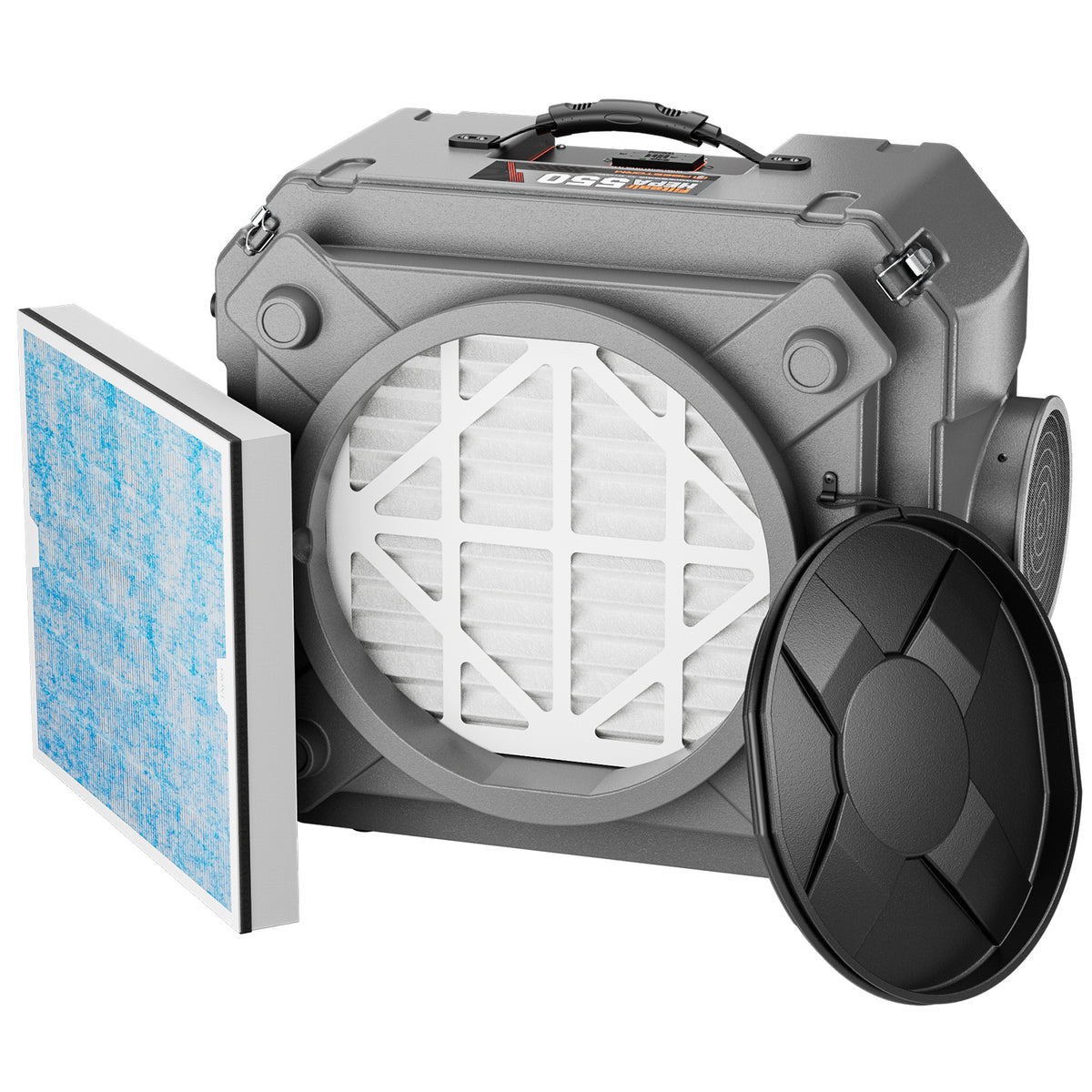
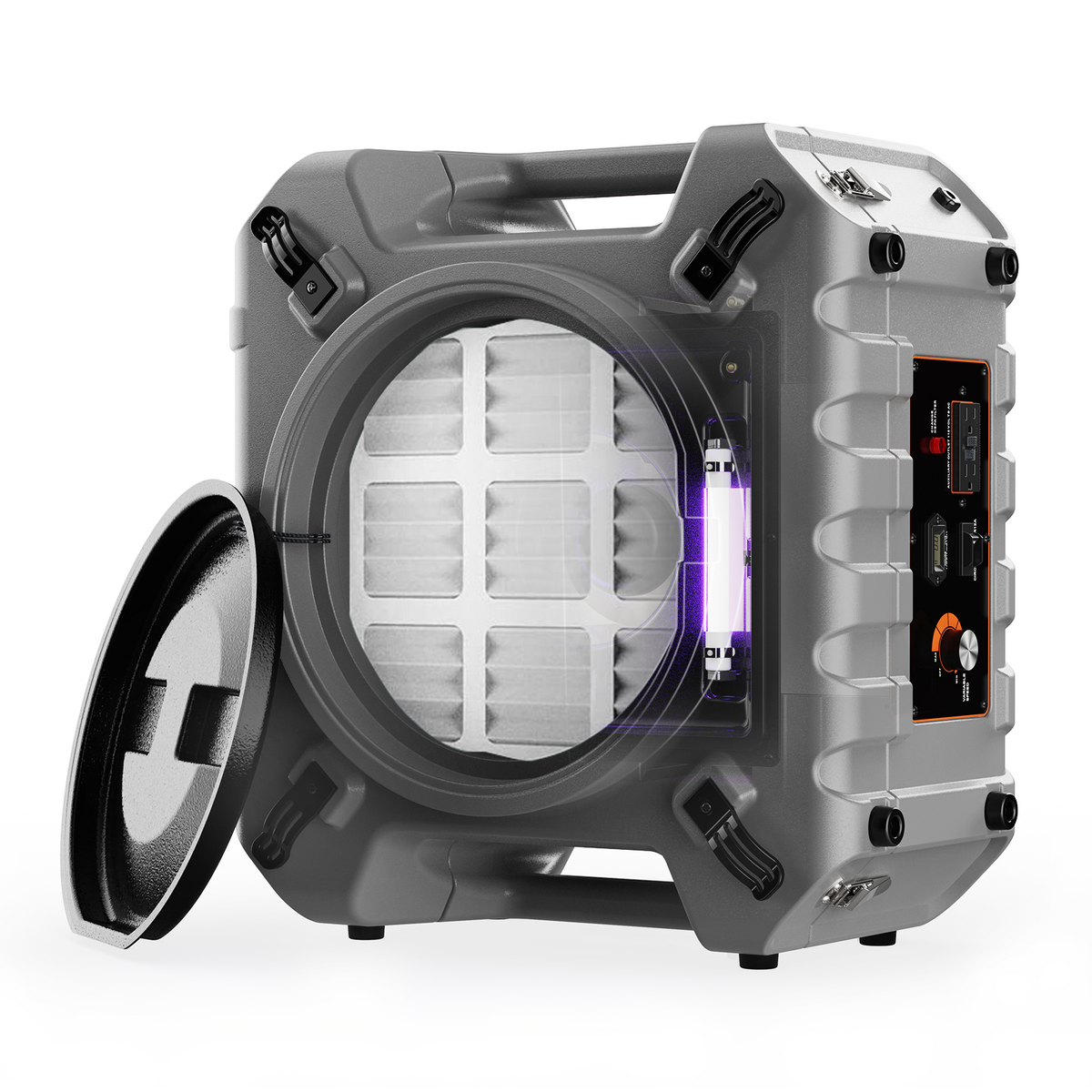
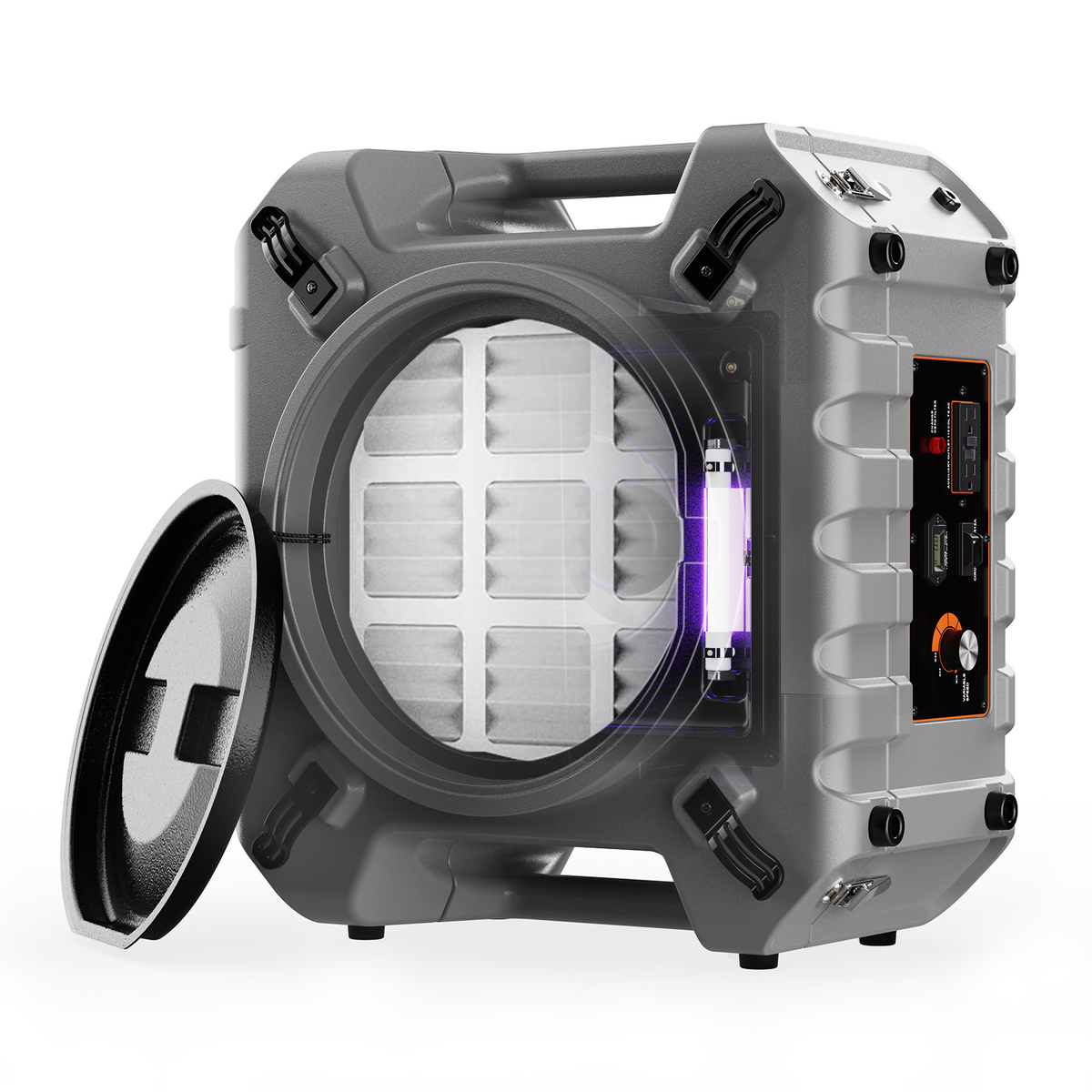
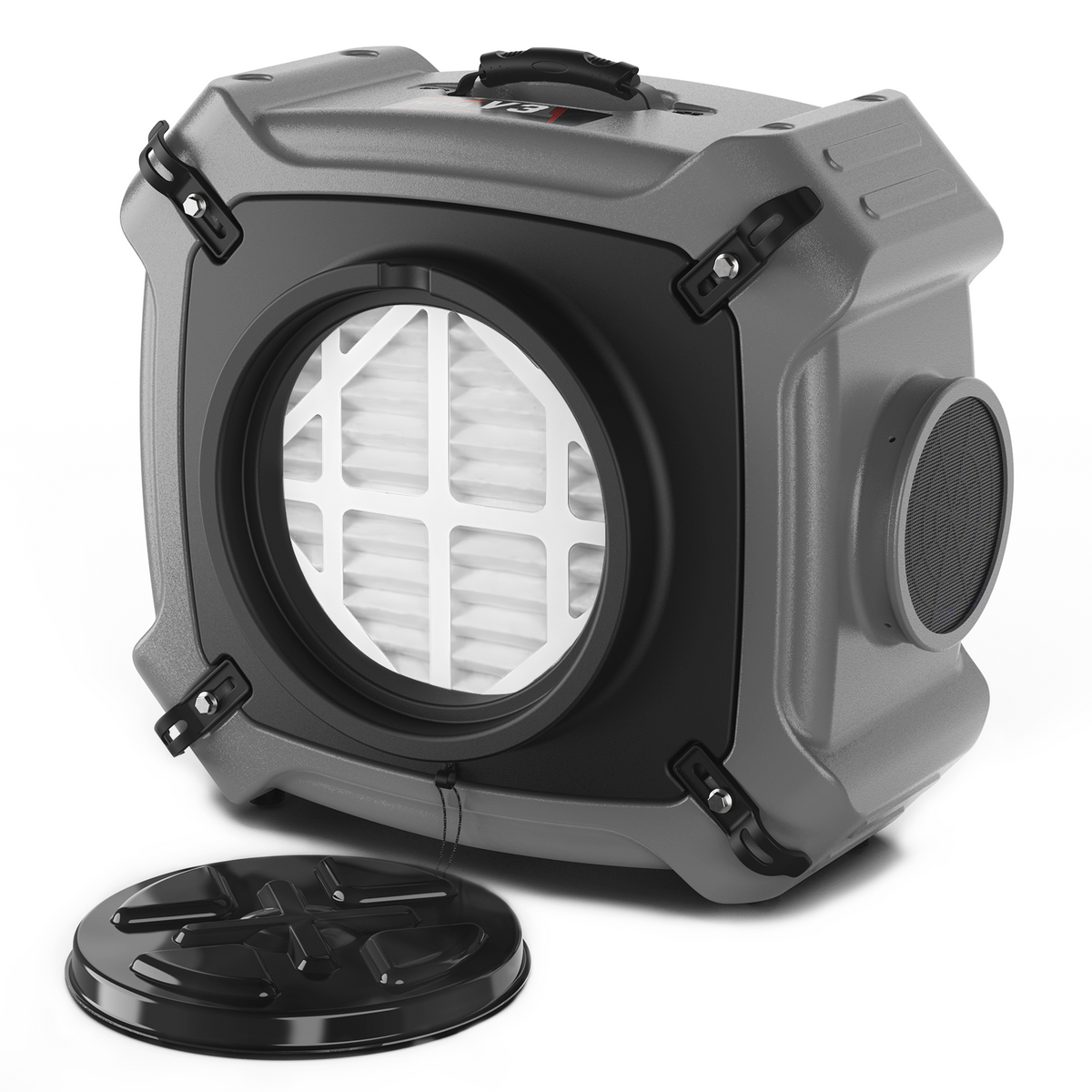
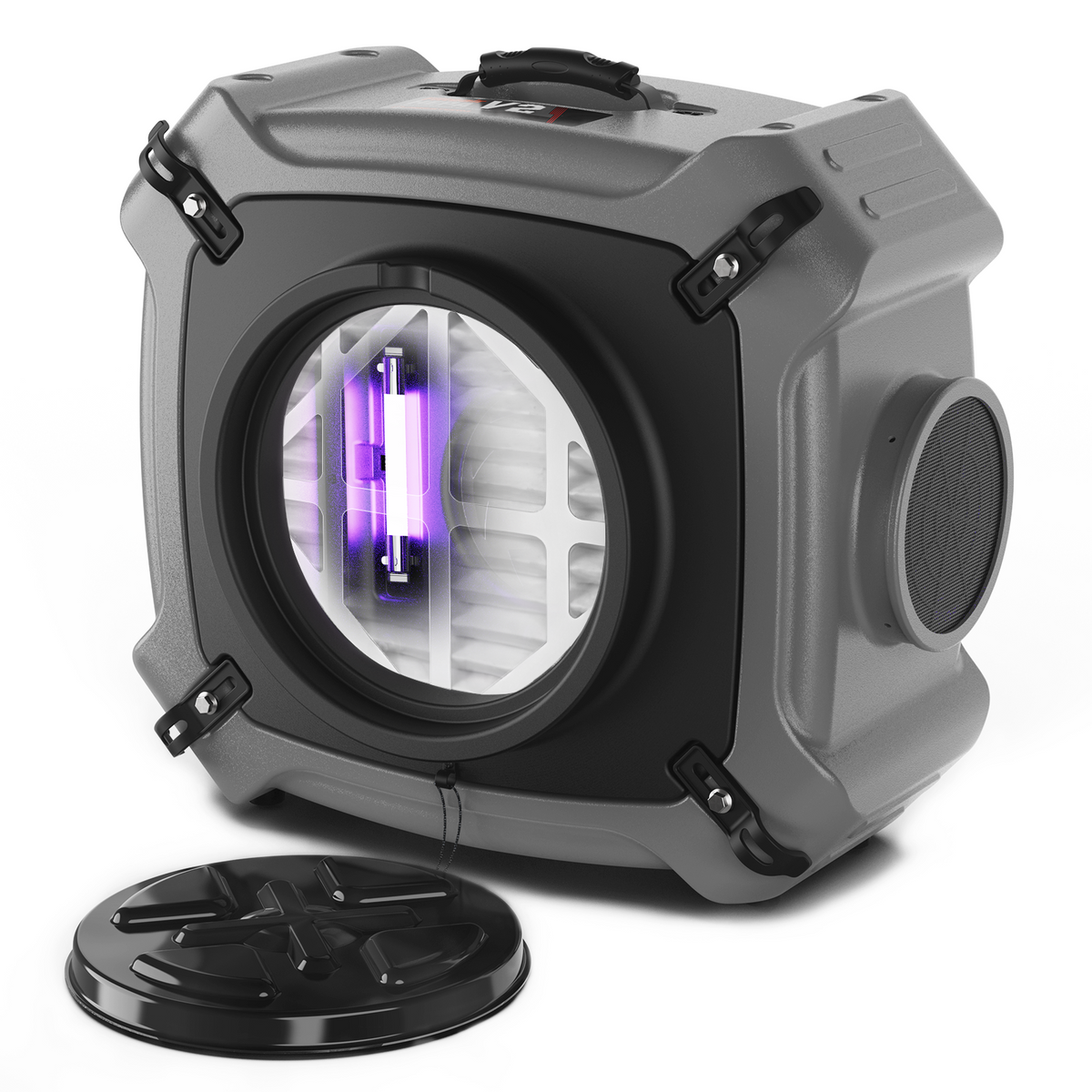
We love this air scrubber! This is the new unit and it's much quieter then other. The filters are easy to find and much cheaper then the big companies. Thank you for making a great product!! Keep up the good work! Thanks again!
Abestorm 550 CFM HEPA Air Scrubber with 3-Stage Filtration System
Learn More >Helmer
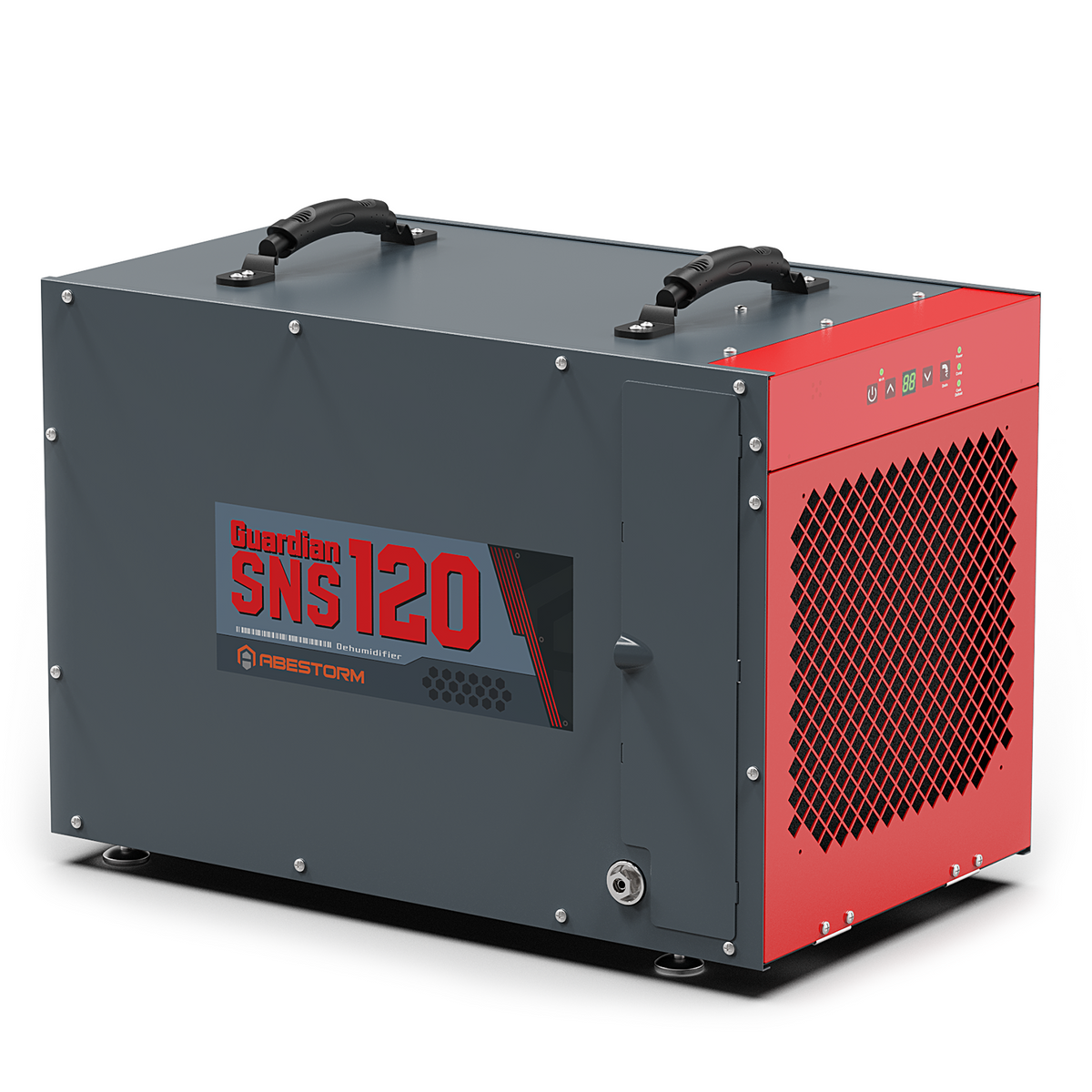
This is a great way to reduce the humidity in our crawl space. It has made an incredible difference in the comfort level of our crawl space and even in the adjacent finished space. I recommend this dehumidifier if you are living in an area with high humidity.
Abestorm 198 Pints Energy Star Dehumidifiers | Guardian SNS90
Learn More >Daryl
Heavy duty construction. The build quality is exceptional, and you can tell that it's designed to last. The unit is solid, durable and gives me confidence in it's longevity.
Abestorm 360 Degree Intake Air Filtration System Woodworking | DecDust 1350IG
Learn More >Kimberly
This unit is incredibly impressive! It's quiet, it's efficient, and it's noticeably effective! This product is perfect for multiple occasions of wet craw spaces or emergency cleanup from flooding etc. Very impressive
Abestorm 180 PPD 2,300 Sq.Ft Commercial Dehumidifier with Pump and Drain Hose | Hurricane LGR85
Learn More >Mike
This Abestorm 180 pint dehumidifier is easy to use, and works excellent. Heavy duty shell, commercial grade, very durable, and is perfect for bigger jobs. User friendly control panel with adjustable settings. Remote control and mobile app is an added bonus.
Abestorm 180 PPD 2,300 Sq.Ft Commercial Dehumidifier with Pump and Drain Hose | Hurricane 850
Learn More >David Wright
Used all last summer and fall. Did wonders to driving damp stagnat air from my crawlspace. Easy to install. Kept the box and take it out for winter. Plugged bent opening with block of foam till spring.
Abestorm 260CFM Crawlspace Ventilation Fan | NeatyFresh 260
Learn More >